
Scotland Train Travel 2026: A Practical Guide to Scenic Highland Routes
Scotland Train Travel 2026
Planning Scotland train travel 2026 can feel harder than it should. A map makes the country look connected, yet a scenic route with only a small number of daily services changes every decision around it. The answer is not to rush through a long list of destinations. The answer is to build a route around the rail journey itself, then give each connection enough space to work.
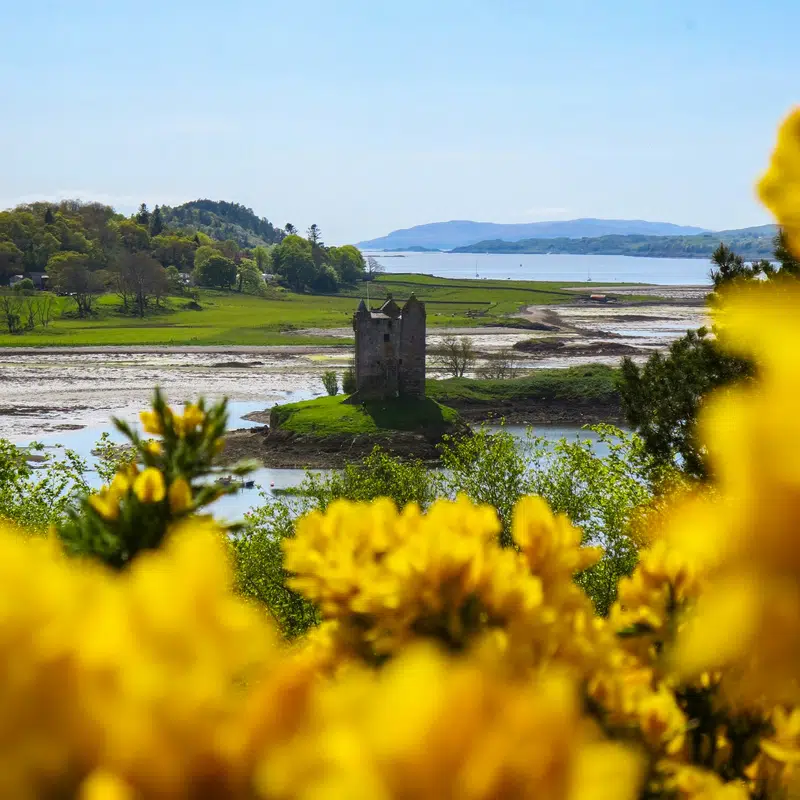
Scotland by train is a different kind of holiday from a road itinerary. Driving often treats the landscape as the distance between stops. Rail travel turns mountains, lochs, coastlines, forests, and Highland landscapes into part of the day. That is the appeal of train travel Scotland visitors return to: there is time to look out, arrive, and continue without making every mile a task.
This guide uses a four-part planning system: choose the rail experience, protect the connections, decide the comfort level, and prepare alternatives. It is designed for travellers considering Scotland train tours, independent Highland trips, and Scotland rail vacations in 2026.
Start With the Scotland Train Travel 2026 Experience You Want
A route is the physical line between stations. An experience is the reason you take it. Separating those two ideas prevents a common planning error: choosing an ambitious itinerary before deciding what you most want to see.
For Scotland train travel 2026, the main scenic appeal is clear. The country offers rail journeys through mountain country, beside lochs, along the coast, through forests, and across wide Highland landscapes. The West Highland Line, Kyle Line, Far North Line, and Strathspey Steam Railway each offer a different way to make the journey part of the visit.
Choose the landscape before the timetable
Begin by writing down the setting you would be disappointed to miss. If the priority is a classic Highland journey, the West Highland Line belongs at the centre of the plan. If a coastal or more remote feeling matters most, compare the Kyle Line and Far North Line with the rest of your itinerary. If the draw is heritage travel, the Strathspey Steam Railway can become a distinct stop rather than an afterthought.
This approach makes train travel Scotland more manageable because it gives you a decision rule. When two routes compete for one day, keep the route that serves the landscape you came to experience.
Separate steam travel from regular rail travel
Steam travel has a different rhythm from an ordinary point-to-point journey. It is often chosen for the atmosphere, the historic feel, and the experience of travelling through Highland scenery at a slower pace. A Jacobite Steam Train ticket should therefore be treated as a specific experience within the wider trip, not as a flexible transport assumption.
Travellers interested in the familiar film association often search for the harry potter train scotland experience. The useful planning question is more practical: does a steam journey fit the date, route, and available time? If it does not, the wider Highlands still offer memorable rail travel through the same broad landscape of lochs, hills, and glens.
Decide what a successful day looks like
Define success in advance. It may mean seeing a particular viaduct, having a calm transfer, reaching a Highland town before evening, or reserving time to walk after arrival. Scotland train tours work best when the day has one primary objective and one secondary possibility. A connection that is merely possible is not necessarily a connection worth building the whole day around.
Compare the Major Highland Rail Journeys
Comparison reduces uncertainty. Instead of asking which route is universally best, ask what each route contributes to the trip. Scotland by train can include several scenic lines, but trying to include every one may leave too little time to experience any of them properly.
West Highland Line: build around the signature Highland day
The West Highland Line is one of the named routes to consider when scenic Highland travel is the priority. Its appeal is the passage through Highland landscapes, where the view becomes the activity. Build a day around the line rather than treating it as a short transfer between packed sightseeing plans.
Popular Highland stations can be busy, and services on scenic lines may be infrequent. Arriving early, knowing the next connection, and carrying the essentials for the day reduce the pressure when a platform or waiting area is crowded. For train travel Scotland plans, a little unused time is not waste. It is protection against turning a beautiful route into an anxious one.
Kyle Line and Far North Line: make remoteness the point
The Kyle Line and Far North Line invite a different pace. They are useful choices for travellers who want the sense of moving deeper into Highland and coastal scenery rather than collecting the most familiar stops. Their value comes from the journey, the changing view, and the feeling that the rail line reaches landscapes that can otherwise feel distant.
When considering these routes, avoid building tight onward commitments. Review the day as a chain: departure, arrival, time at the destination, and the return or onward leg. This is especially important when Scotland train tours include more than one overnight stop. A relaxed sequence of two scenic rail days can be stronger than a rushed sequence of four.
Strathspey Steam Railway: reserve room for heritage travel
The Strathspey Steam Railway offers a heritage experience alongside the broader network of Highland routes. Put it in a separate part of the itinerary from long-distance travel days. That lets the experience stand on its own, without the pressure of a difficult connection immediately afterward.
There are different ways to explore Scotland by train. One traveller may use regular rail for the whole holiday. Another may combine regular journeys, a steam railway, and time in a single Highland base. Both approaches can work when the plan reflects the traveller’s tolerance for changes, waiting, and early starts.
Build a Reliable Route, Not a Fragile Itinerary
Reliability is not the same as punctuality. Reliability is the confidence that your plan still works when a train is late, a station is crowded, or a connection requires more time than expected. This is where many Scotland rail vacations become more enjoyable: not through a more complicated plan, but through a more resilient one.
Use the three-connection rule
- Identify the essential connection. This is the train that gets you to your overnight stop, a booked experience, or the route you most want to take.
- Identify the useful connection. This improves the day but does not define it, such as a museum visit, a meal, or a later scenic section.
- Identify the fallback connection. This is the option that keeps you moving if the first plan changes.
Write these three items beside every multi-stop day. This method is particularly useful for Scotland train tours that pass through Highland hubs or require a platform change. You do not need to predict every disruption. You need a plan that does not collapse when one part moves.
Give infrequent routes more room
A frequent urban service and a scenic Highland line should not be planned the same way. If there are only a few suitable trains in a day, leave more margin before and after that leg. Do not use the final workable connection as the default choice unless there is a clear reason to do so.
That margin also helps with station facilities and crowds. At places such as Fort William or Oban, the practical aim is to arrive with enough time to orient yourself, locate the platform, and manage luggage without rushing. Scotland train travel 2026 is more rewarding when the timetable supports the scenery instead of competing with it.
Plan the train from London to Edinburgh Scotland route as an arrival day
For travellers beginning in England, a train from london to edinburgh scotland can be the first major rail decision. Treat Edinburgh as an arrival point, not automatically as the starting point for another demanding journey on the same day. A pause in the city can make the later Highland section feel deliberate rather than compressed.
If the route continues north, keep the first Scottish connection modest. This is a practical way to protect the rest of a Scotland by train itinerary, especially for international visitors adapting to station layouts, ticket options, luggage, and a new rail system.
Choose Booking, Comfort, and Tour Styles With Clear Roles
Booking is an information task. Travel is the experience itself. Keeping these roles separate can reduce confusion when comparing ticketing sources, overnight choices, and organised holidays.
Create one booking record
Keep departure times, booking references, station names, accommodation details, and connection notes in one record that works without relying on memory. When reviewing options, you may encounter ScotRail, Trainline, and National Rail. Record the details that matter to your actual journey rather than assuming every source presents the same information in the same way.
For a scenic trip, note the route name and the day’s non-negotiable connection beside each booking. This makes it easier to see whether a proposed change improves the trip or introduces another dependency.
Compare independent travel and Scotland train tours
| Travel style | Best suited to | Planning focus |
|---|---|---|
| Independent rail itinerary | Travellers who want control over stops and pace | Connection time, accommodation location, and route sequence |
| Guided rail holiday | Travellers who prefer a structured programme | What is included, how much free time exists, and how transfers fit the route |
| Luxury rail experience | Travellers prioritising comfort and a distinct onboard experience | How the rail experience fits with the rest of the Highland itinerary |
Great Rail Journeys, Rabbie's, and Haggis Adventures are names travellers may encounter while comparing organised options. Belmond Royal Scotsman is another name associated with a more comfort-focused rail experience. Compare the pace and structure offered with the trip you actually want, rather than choosing solely because a journey appears comprehensive.
Consider an overnight rail option deliberately
A sleeper train to scotland can shift the shape of an itinerary by combining an overnight stay with travel. Caledonian Sleeper is a name to consider when comparing that format with daytime rail. The key decision is not whether overnight travel sounds efficient. It is whether arriving after a night aboard supports the energy, check-in timing, and connections planned for the following day.
For some Scotland rail vacations, an overnight service creates a clean beginning to the Highland portion. For others, a daytime arrival and a settled first evening may be the better fit. The right choice depends on the next day, not only the preceding night.
Use a Practical 2026 Checklist Before You Commit
Good Scotland train travel 2026 planning ends with a review, not a wish list. The following checklist turns broad enthusiasm for scenic train routes into decisions that can withstand real travel conditions.
Review the route in four passes
- Scenery pass. Confirm that the West Highland Line, Kyle Line, Far North Line, or another desired experience remains central to the itinerary.
- Timing pass. Check each long-distance leg, the available connections, and the time needed at important stations.
- Ticket pass. Review the booking approach and any experience with limited availability, including steam travel or a Caledonian Sleeper cabin.
- Fallback pass. Decide what you will do if a connection no longer works: wait, change the order of stops, or use a different overnight base.
Match passes and extras to the trip shape
The Highland Rover Travel Pass and Spirit of Scotland Travel Pass are options to investigate when comparing a multi-day rail plan with individual tickets. A ScotRail Highland Explorer carriage, Rail and Sail combined ferry and train tickets, and a ScotRail Smartcard may also appear in planning discussions. The useful question is always the same: does this option serve the actual route and number of travel days you have chosen?
Do not buy around a theoretical itinerary. Build the trip first, then compare the choices that fit it. This keeps Scotland train tours focused on places and landscapes rather than on ticket complexity.
Make the journey the anchor
Scotland by train offers more than a way between cities. It can be a measured route through lochs, mountains, coastlines, forests, heritage railways, and Highland views. Choose the rail line that represents the trip you want, protect it with realistic connection time, and leave enough room to enjoy the window rather than watch the clock.
That is the most useful final test for train travel Scotland itineraries: if one train runs late, does the trip still contain the journey you came to make? If the answer is yes, the plan is ready to support a memorable 2026 rail holiday.